
Social media's influence on gambling behavior A deep dive with Balloon game
Social media's influence on gambling behavior A deep dive with Balloon game
The Rise of Social Media and Its Impact on Gambling
Social media has transformed the landscape of gambling behavior in recent years, acting as a platform that connects individuals with shared interests. As people increasingly share their experiences, strategies, and wins on platforms like Facebook, Instagram, and Twitter, the pressure to engage in gambling activities grows. Users often present their gambling successes in a glamorous light, showcasing high-stakes bets and luxurious lifestyles that can entice others to participate. This phenomenon can create a sense of FOMO (fear of missing out), compelling others to take up gambling. The Balloon Game Application, which can be easily accessed through Balloon slot Nigeria, is just one example of this growing trend.
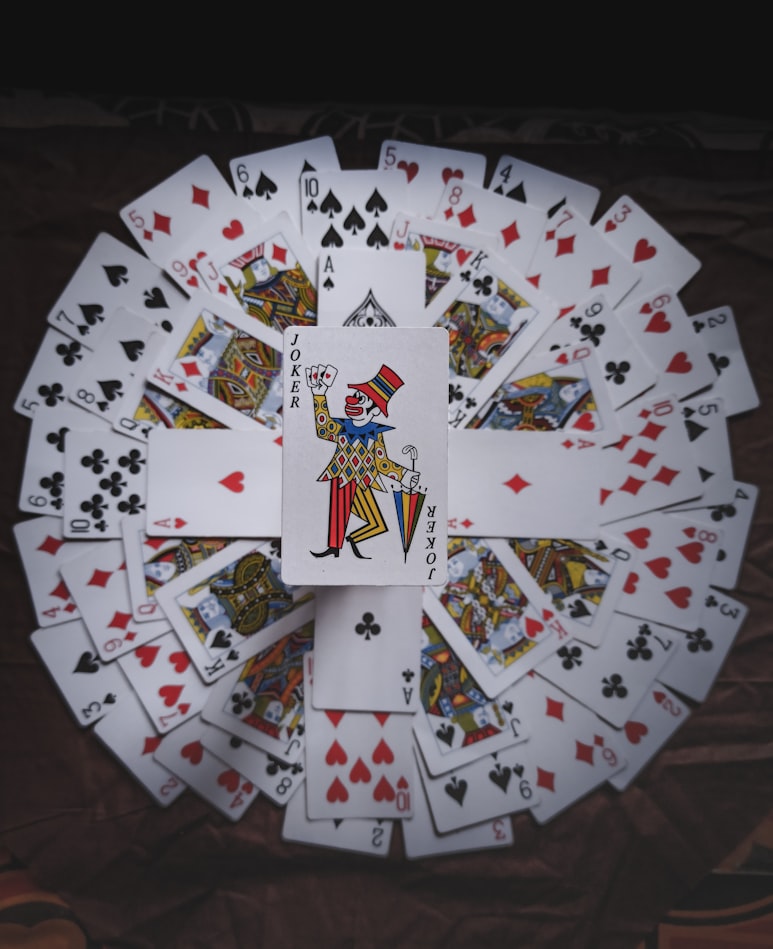
Moreover, the role of influencers and celebrities in promoting gambling has become a significant factor. When famous personalities endorse gambling apps or games, they often carry their followers along with them. For instance, when a celebrity shares their high score on an engaging game like Balloon, it creates a buzz that can lead to increased downloads and participation. This trend not only normalizes gambling but also positions it as a socially acceptable and even desirable activity.
Additionally, as players showcase their scores and milestones, it fosters a cycle of reinforcement. Each ‘like’ or positive comment can propel someone to keep playing, seeking validation from their peers. This dynamic can parallel gambling behavior, where wins and losses can influence future engagement. Consequently, the Balloon Game exemplifies how social media can blur the lines between gaming, competition, and gambling behaviors.
The Balloon Game as a Case Study
The Balloon Game serves as an excellent example of how social media can influence gambling-like behavior in gaming. While it may not be a traditional gambling platform, its mechanics mimic the thrill of risk-taking and reward. Players are drawn to the game due to its colorful graphics and engaging challenges, encouraging them to achieve higher scores. This competitive element is often amplified when users share their achievements on social media. Many players find it beneficial to download Balloon game APK online for easy access to enhanced features and experiences.
In this context, the Balloon Game can be viewed as a gateway, where the excitement of popping balloons translates into a desire for more intense gambling experiences. Players often discuss strategies and techniques on social media, making the game a social event in itself. This sense of community can further fuel competitive behavior, leading players to spend more time and, potentially, money on similar gaming experiences.
This influence extends to marketing campaigns as well, where celebrities often feature prominently in advertising strategies. Their reach allows gambling companies to target specific demographics more effectively, potentially attracting younger audiences who are more impressionable. The glamour surrounding celebrity gambling can romanticize the idea, reinforcing the notion that gambling is a part of a luxurious lifestyle, thereby increasing its appeal.
Celebrity Influencers and Their Role in Gambling
Celebrity influencers are powerful drivers of trends in both social media and gambling behaviors. Their endorsements can significantly impact perceptions, making gambling more appealing to a wider audience. When high-profile figures share their own experiences with games like Balloon or promote gambling apps, their large followings may be more inclined to replicate their actions, sometimes without fully understanding the risks involved.
Take, for instance, a popular athlete who shares a video of themselves playing the Balloon Game. The athlete’s followers may view this as an endorsement, making the game more appealing. This not only increases user engagement but can also lead to higher gambling participation, as followers may transition from gaming to more conventional gambling platforms. The allure of celebrity life, combined with the thrill of competition, creates a potent mix that encourages gambling-like behaviors.
The normalization of gambling on social media creates an environment where risky behavior is less scrutinized. When followers see their friends or favorite influencers partaking in gambling activities, it can desensitize them to the associated risks. This erosion of caution can lead to increased gambling behavior, making it essential for platforms to adopt responsible messaging and education on the potential pitfalls of gambling.
The Psychological Aspects of Social Media and Gambling
The psychological impact of social media on gambling behavior is profound and multifaceted. The instant gratification associated with both social media engagement and gambling creates a cycle of reward that can be hard to break. Users often feel a rush of dopamine when they receive likes on their posts or achieve high scores in games like Balloon. This can lead to an addictive pattern where individuals continuously seek that same level of excitement.
Additionally, social media can amplify feelings of inadequacy or competition, particularly among younger audiences. When users see their peers celebrating big wins or luxurious lifestyles, they may feel pressured to engage in gambling to achieve similar status. This desire for social validation can spur individuals to gamble beyond their means, often leading to negative outcomes.
Moreover, the integration of social media and gambling is likely to deepen. Innovations in technology, such as virtual reality and augmented reality, promise to create even more immersive experiences. The Balloon Game exemplifies how games can serve as a stepping stone into the gambling world, and understanding this trajectory is crucial for addressing potential issues.

Understanding Responsible Gambling in the Age of Social Media
As gambling behaviors evolve in the context of social media, the importance of promoting responsible gambling practices cannot be overstated. Awareness campaigns focusing on responsible gaming can leverage social media to reach a wider audience effectively. By educating users about the signs of problem gambling, the potential for addiction, and the importance of setting limits, platforms can mitigate some of the adverse effects of social media’s influence.
One effective approach is to encourage players of games like Balloon to adopt a balanced gaming lifestyle. Engaging with community discussions about the importance of moderation can foster a more responsible approach to gaming and gambling. Implementing features within gaming apps that promote breaks and responsible spending can also play a crucial role in shaping healthier gaming behaviors.
Ultimately, the future landscape of gambling will require a balance between entertainment and responsibility. As the lines blur, continuous dialogue about the implications of social media on gambling behavior is essential. Understanding these dynamics can lead to a more informed and responsible approach to gambling, benefiting both players and the broader community.