
Understanding the psychological effects of gambling on decision-making processes
Understanding the psychological effects of gambling on decision-making processes
The Role of Cognitive Biases in Gambling
Cognitive biases significantly influence how individuals perceive risks and rewards in gambling scenarios. Common biases such as the illusion of control and the gambler’s fallacy can distort decision-making processes. For instance, many players believe they can control outcomes in games of chance, leading them to make irrational bets based on this false sense of agency. In exploring various gaming platforms, the katana spin casino demonstrates how these biases can mislead even the most experienced gamblers.
Additionally, the gambler’s fallacy leads individuals to believe that past outcomes will affect future results. This misconception may result in continued betting despite previous losses, as gamblers incorrectly assume that luck must eventually change in their favor. Such biases can cloud judgment, encouraging risky behavior and potentially leading to problematic gambling patterns.
The Impact of Emotion on Gambling Decisions
Emotions play a crucial role in gambling behavior, often driving impulsive decisions that can lead to negative consequences. Excitement from wins can create a euphoric state, encouraging players to chase that feeling by increasing their bets. This emotional high can overshadow logical thinking, resulting in poor choices that prioritize immediate gratification over long-term consequences.
Conversely, negative emotions, such as frustration or sadness, can lead to reckless betting as individuals attempt to recoup losses or escape their feelings. This emotional rollercoaster can create a dangerous cycle, where the need for validation or a win prompts increased gambling activity, often exacerbating mental health issues and financial difficulties.
The Influence of Social Factors on Gambling Behavior
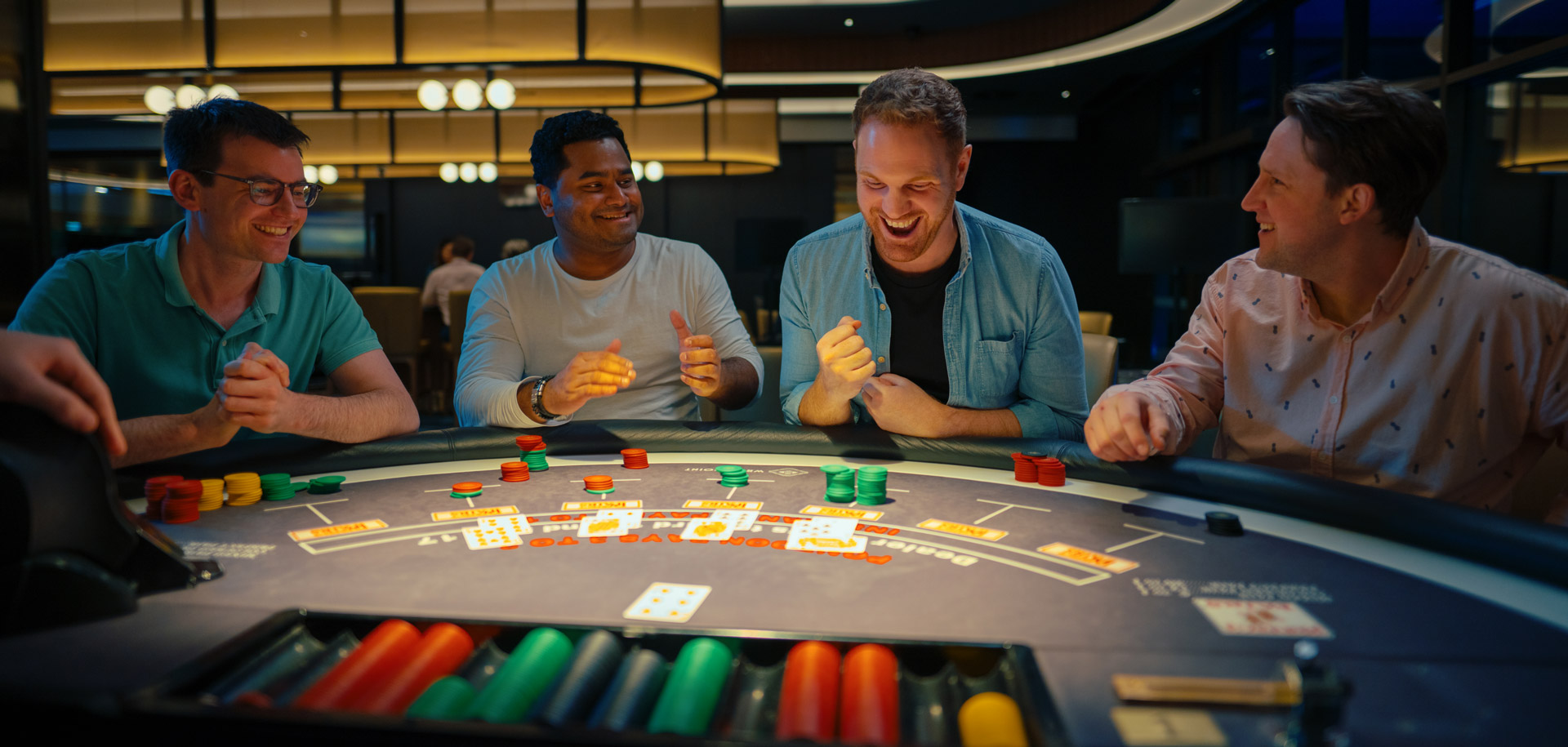
Social dynamics significantly influence gambling behaviors, shaping decision-making processes in various ways. Peer pressure can lead individuals to gamble more or riskier than they normally would, often in social settings like casinos. The desire to fit in or impress friends can overshadow rational decision-making, resulting in larger bets or participation in games that carry higher risks.
Moreover, the social aspect of gambling can also reinforce addiction. Supportive or enabling friends may inadvertently encourage continued gambling behavior, creating an environment where individuals feel compelled to participate regardless of their financial situation or personal well-being. This social influence can make it challenging to break free from harmful gambling patterns.
The Impact of Luck Versus Skill in Gambling Decisions
The interplay between luck and skill in gambling profoundly affects decision-making. Many games, particularly slots, rely heavily on chance, making it easy for players to attribute their outcomes to luck rather than their abilities. This belief can lead to a misunderstanding of the actual odds, making players overconfident in their chances of winning.
On the other hand, games like poker and blackjack require skill and strategy, which can empower players to feel more in control of their outcomes. However, even in skill-based games, overconfidence can lead to poor decisions, as players might ignore the inherent risks involved. Understanding the distinction between luck and skill is vital for making informed choices while gambling.

Exploring KatanaSpin Casino’s Approach to Responsible Gambling
KatanaSpin Casino recognizes the psychological effects of gambling and prioritizes responsible gaming practices. By providing resources and support for players, the platform aims to foster a safe gaming environment. This includes tools for setting limits on deposits, bets, and playtime to help players maintain control over their gambling habits.
Additionally, KatanaSpin offers educational materials that inform users about the potential risks associated with gambling and encourage healthy decision-making. By promoting awareness and understanding of the psychological factors at play, KatanaSpin Casino strives to create a more enjoyable and responsible gaming experience for all players.